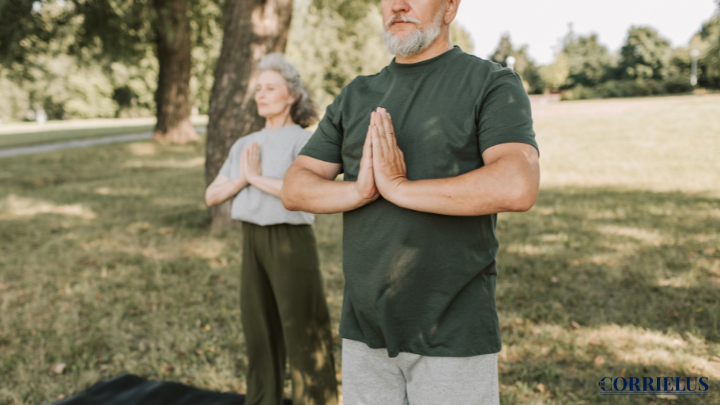
Many people today worry about their hearts as life feels busy and stressful. Long work hours, little movement, and constant pressure can affect how the heart feels and works. This is why yoga is getting more attention across all age groups. People are asking simple questions about yoga and the heart. Can slow movements and calm breathing really help? Science now gives some clear answers that are easy to understand.
Why the Heart Needs Gentle and Regular Care
The heart works every moment without rest. When stress stays for too long, the heart feels the load. This is where heart care becomes important in daily life. Studies show that calm activities help the body relax and allow the heart to work steadily. Many doctors now speak about heart wellness as a mix of movement, rest, and peace of mind. Yoga supports all three naturally.
How Yoga Connects With the Heart
Yoga is not only about stretching. It connects breath, movement, and awareness. This connection helps improve blood flow and gently supports cardiovascular health. People who practice yoga often feel calmer, which lowers pressure on the heart. Over time, this balance supports heart fitness and daily energy levels.
What Science Says About Yoga and the Heart
Research shows that yoga can help manage stress, improve circulation, and support a healthy rhythm of the heart. These changes matter for long-term heart health. While yoga does not replace medical care, it supports heart care as a helpful daily habit. Scientists note that regular practice helps the body respond better to stress, which protects the heart over time.
How Yoga Builds Strength Without Strain
Unlike fast workouts, yoga builds strength slowly. This is helpful for people of all ages. Gentle poses improve flexibility and support yoga fitness without pressure. Some styles include steady movement that supports yoga cardio while keeping breathing calm. This combination helps people stay active without feeling tired or strained.
The Role of Calm Breathing and Focus
Breathing is a key part of yoga. Slow breathing tells the body to relax. This helps reduce stress signals that affect the heart. Many experts link this calm state to better heart wellness. Over time, breathing practices support yoga healing by helping the heart stay steady during daily challenges.
The Emotional Side of Heart Health
Emotions play a strong role in heart health. Worry, anger, and fear can affect how the heart feels. Yoga teaches awareness of thoughts and feelings. This helps people manage emotions better. A calm mind supports heart yoga by creating space for healing and balance. Emotional care is an important part of heart care that is often overlooked.
One Simple Path Where Yoga Supports the Heart
- Yoga encourages steady movement that helps the heart work smoothly
Yoga includes gentle flows that keep the body active without stress. These movements help blood move freely and support cardiovascular health in a calm way. People feel more relaxed during practice, which lowers strain on the heart. Over time, this steady activity supports heart fitness and daily comfort. Many find this easier than fast workouts. This makes yoga health suitable for beginners and older adults. The heart benefits from this slow and steady rhythm. - Breathing practices reduce pressure on the heart
Slow breathing helps the body relax deeply. This calm state reduces tension that affects heart wellness. When stress lowers, the heart can beat more evenly. This is one reason yoga therapy is often suggested for stress care. Breathing also improves focus and awareness. With regular practice, people notice better control over emotions. This supports long-term heart care yoga habits. - Yoga supports balance in daily life
Balance is not only physical but also mental. Yoga balance helps people stay steady in body and mind. This balance reduces sudden stress responses. A balanced body supports yoga healing and heart comfort. Daily practice helps people feel more grounded. This sense of stability protects heart health over time. Balance makes it easier to handle life calmly. - Gentle strength builds confidence and comfort
Yoga builds strength without harsh movement. This strength supports daily tasks and posture. Good posture allows better breathing and circulation. This supports yoga benefits for the heart and body. People feel more confident and active. Confidence reduces stress and supports heart wellness. Gentle strength is safe and effective. - Yoga fits easily into daily routines
Yoga does not need special equipment or large spaces. Short sessions can be done at home. This makes the yoga lifestyle simple to follow. Regular practice naturally supports heart care. People are more likely to stay consistent. Consistency is key to heart health benefits. Simple routines bring lasting change.
Yoga as a Daily Support for Heart Wellness
Yoga works best when practiced regularly. Even short daily sessions help the body relax and stay active. Over time, yoga health habits support heart fitness and emotional calm. People who follow a yoga lifestyle often feel more aware of their body and heart signals. This awareness helps them make better daily choices.
A word from the Doctor —
Science shows that yoga can support the heart in many gentle ways. It helps reduce stress, improve movement, and create balance in daily life. While it is not a cure, yoga offers steady support for heart health and overall comfort. With regular practice, people can feel calmer, stronger, and more connected to their heart.
Schedule a consultation with Dr. Sanul Corrielus right away if you have questions about your heart health!
FAQs
Q1. Can yoga really help heart health?
A1. Yes, yoga supports relaxation, movement, and balance, which all help heart health over time.
Q2. Is yoga safe for older adults?
A2. Yoga is gentle and can be adjusted, making it safe for most age groups.
Q3. How often should yoga be practiced for heart care?
A3. Even short daily practice can support heart care when done regularly.
Q4. Does yoga replace medical treatment?
A4. No, yoga supports health but should be used along with medical advice.
Q5. Can beginners start yoga easily?
A5. Yes, simple poses and breathing make yoga easy for beginners.