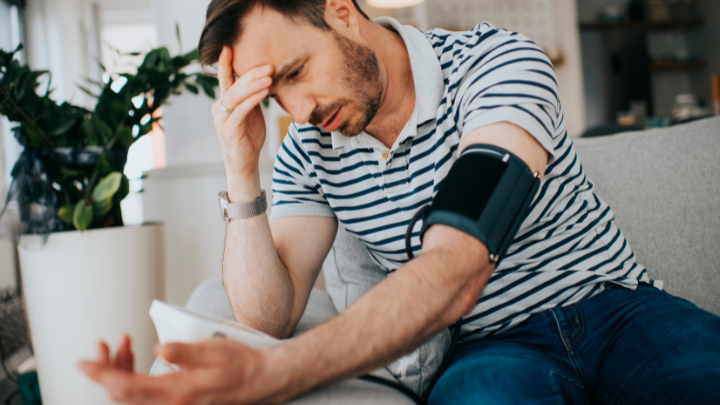
High blood pressure, also called hypertension, often does not cause pain or show strong signs early on. That’s why many people don’t even know they have it. But even without pain, it can quietly damage your body every single day.
When blood pushes too hard against your blood vessels, your heart has to work harder. Over time, this can cause major health problems. Understanding blood pressure levels and how to manage them is very important for your heart and life.
Feeling Normal But Still at Risk
You may feel fine, but your numbers may say something else. It’s possible to feel okay and still have high BP symptoms that are easy to miss.
Here are some of the high BP symptoms to look out for:
- Headaches that won’t go away
- Feeling dizzy or lightheaded
- Chest pain or tightness
- Blurry vision
- Feeling tired all the time
If you notice more than one of these, it’s time to check your blood pressure levels.
When Numbers Start to Harm You
Your blood pressure is measured using two numbers. Understanding blood pressure ranges helps you know if you are safe or at risk.
Blood pressure ranges to watch:
- Normal blood pressure: Less than 120/80
- Elevated: 120-129/less than 80
- Stage 1 hypertension: 130-139/80-89
- Hypertension stage 2: 140 or higher/90 or higher
These blood pressure ranges show how serious things can become if not treated. Stage 1 hypertension is a warning. Hypertension stage 2 needs quick care.
Signs That It’s Getting Serious
If your numbers are in the hypertension stage 2 zone, your body may be under serious pressure. At this stage, the effects of high blood pressure become more visible and dangerous.
Here are 5 side effects of high blood pressure at this stage:
- Heart damage or heart failure
- Kidney problems
- Memory loss or confusion
- Vision problems
- Risk of stroke
These are not just symptoms, these are signs that action must be taken immediately.
Women Are Not Safe Either
People often think only older men get high BP. But that’s not true. Understanding normal blood pressure for women is important, especially during pregnancy or menopause.
The normal blood pressure for women is the same as everyone else: around 120/80. But stress, hormones, or birth control can affect their blood pressure levels more often.
Adults Should Not Ignore the Signs
High blood pressure is not just a problem for old people. It can affect anyone, even in their 30s or 40s. Knowing the normal blood pressure for adults and checking it often helps catch early signs.
Here are 5 quick checks you should do:
- Use a digital BP machine at home
- Avoid too much salty food
- Stay active every day
- Sleep at least 7-8 hours
- Watch out for constant tiredness or body pain
These habits help in lowering blood pressure and staying safe.
Damage That Builds Without Warning
One of the worst parts of hypertension is that it quietly harms your organs. The effects of high blood pressure are long-term and often not seen until it’s too late.
Here are some hidden dangers:
- Brain damage due to small strokes
- Nerve damage in eyes causing blindness
- Weakening of arteries
- Sexual health problems
- Risk of heart attack
These are serious side effects of high blood pressure that affect both men and women.
Don’t Wait for Pills to Save You
Medicine is not the only answer. There are many hypertension treatments that also include changes to your lifestyle.
Try these non-medical hypertension treatments:
- Exercise 30 minutes daily
- Eat more fruits and vegetables
- Reduce sugar and salt
- Say no to smoking and alcohol
- Practice yoga or deep breathing
All of these help in lowering blood pressure naturally.
A word from the Doctor —
Even if you are in stage 1 hypertension or hypertension stage 2, you can still turn things around. The first step is to take it seriously. Know your blood pressure levels. Start lowering blood pressure with small daily changes. Talk to a doctor about safe hypertension treatments.
Schedule a consultation with Dr. Sanul Corrielus right away if you have questions about your heart health!
FAQs
Q1. What is considered a dangerous blood pressure level?
A: Anything above 140/90 is part of hypertension stage 2 and needs care.
Q2. Can young adults have high blood pressure?
A: Yes, which is why checking normal blood pressure for adults is very important.
Q3. What are the first signs of high blood pressure?
A: Common high BP symptoms include headaches, dizziness, and tiredness.
Q4. Are there natural ways to treat hypertension?
A: Yes, hypertension treatments include exercise, diet, and stress control.
Q5. Is high BP worse in women?
A: Not always, but knowing normal blood pressure for women helps catch early signs.