Your heart beats every moment of your life, quietly keeping you alive and well. But sometimes, this silent rhythm can tell you something important about your health. Tracking your pulse is one of the simplest ways to understand your body better. Whether you are young or old, knowing how to check your pulse and recognize when something feels unusual can make a big difference for your heart health.
Your Heart’s Hidden Language: Why Your Pulse Matters
Your pulse rate is the number of times your heart beats in one minute. Each beat helps push blood through your body, carrying oxygen and nutrients. When you take a pulse check, you are listening to your heart’s rhythm and strength. It can tell you if your heart is calm, tired, or stressed.
A normal pulse usually means your heart is working well. For most people, it’s between 60 and 100 beats per minute when resting. But if your pulse rate is too high, too low, or uneven, it could be your heart’s way of asking for attention.
How To Check Your Pulse The Easy Way
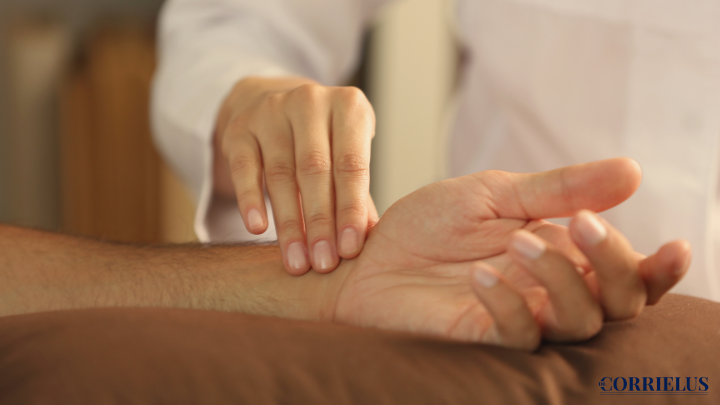
Checking your pulse doesn’t need special equipment. You can do it at home, at work, or anywhere you feel comfortable. Use two fingers, not your thumb, and press lightly on your wrist or neck until you feel the heartbeat. Count the beats for one full minute to know your heart rate. This number helps you understand if your body is relaxed or overworked.
Doing a regular pulse check can help you notice small changes early. You may also use a pulse monitor or smartwatch for quick readings. These tools make heart monitoring easier and more accurate.
Understanding Your Resting Heart Rate
Your resting heart rate shows how your heart behaves when you are calm and still. A healthy heart usually beats slower at rest because it doesn’t need to work as hard. Athletes and people who exercise regularly often have a lower resting heart rate.
If your heart rate is higher than usual even when you are resting, it could mean stress, anxiety, or tiredness. But sometimes, it can also point to a problem that needs a heart checkup.
When The Rhythm Changes: What It Could Mean
Your heart rhythm can sometimes act differently. Here’s what you should watch out for and what each condition may tell you.
1. Fast Heartbeat (Tachycardia)
A fast heartbeat can happen after exercise, excitement, or fear. It is normal for it to rise during such moments. But if your fast heartbeat appears suddenly, even when you are sitting quietly, it might be a warning sign. This could mean your heart is working too hard or reacting to an issue like dehydration, stress, or an illness. When your pulse rate remains high for a long time, it’s wise to talk to a heart doctor for advice.
2. Low Pulse (Bradycardia)
A low pulse means your heart beats slower than usual. For some fit individuals, this can be perfectly fine. However, if a low pulse makes you dizzy, tired, or short of breath, it might be a sign that your heart is not pumping blood effectively. In such cases, do not ignore it. A quick heart checkup can help you find out what’s really happening.
3. Irregular Heartbeat (Arrhythmia)
An irregular heartbeat feels like your heart is skipping beats or fluttering. Sometimes, it can happen for harmless reasons like too much caffeine or lack of sleep. But an irregular heartbeat that continues can lead to serious issues if not treated in time. Regular heart monitoring can help your doctor understand the pattern and offer the right treatment.
When To Call A Cardiologist Near You
It’s important to know when to reach out for help. Many people ignore heart symptoms, thinking they’ll go away on their own. However, early care can prevent bigger problems later. Here are moments when you should definitely contact a cardiologist near you:
- Persistent Chest Discomfort or Pressure
If you feel tightness or pain in your chest, don’t wait. Even mild pain that keeps coming back can signal trouble. It may be your heart struggling with blood flow. A cardiologist near you can run tests to check your heart health and make sure everything is okay. Getting help early can save you from severe conditions.
- Unexplained Fatigue or Dizziness
Feeling tired without reason or getting dizzy after standing up can be signs of a low pulse or a fast heartbeat. Your body might not be receiving enough oxygen. A heart doctor can check your pulse and heart rhythm to find out if your heart needs treatment.
- Shortness of Breath or Palpitations
If you often feel out of breath, even after simple activities, or if your heart seems to “jump,” you could be experiencing an irregular heartbeat. These are not symptoms to ignore. Visit a cardiologist near you for a proper heart checkup and pulse monitor assessment.
- Swelling in Feet, Legs, or Abdomen
Swelling can sometimes indicate your heart is not pumping blood efficiently. This can link to high blood pressure or other heart-related conditions. A timely heart checkup can identify what’s causing it and help manage your heart health before it worsens.
Keep Your Heart In Rhythm With Care And Awareness
A healthy heart gives you energy, balance, and peace. Regular pulse check and heart monitoring can help you notice even the smallest changes. Remember, your heart never takes a break, so don’t wait until symptoms become serious. Whether it’s a fast heartbeat, low pulse, or irregular heartbeat, every sign deserves attention.
If something feels unusual, trust your instincts and reach out to a heart doctor. Building a habit of checking your resting heart rate and keeping an eye on your normal pulse is one of the simplest ways to protect your heart for years to come.
A word from the Doctor —
Your heart’s rhythm is a message from your body. By learning how to check pulse and understanding your pulse rate, you can take charge of your heart health. Keep listening to your heart, treat every beat with care, and never hesitate to seek help from a professional when needed. Your heart deserves your attention every single day.
Schedule a consultation with Dr. Sanul Corrielus right away if you have questions about your heart health!
FAQs
- How often should I check my pulse at home?
You can check it once or twice a day, especially when you feel unwell or tired. - What is a normal pulse for adults?
A normal pulse for most adults is between 60 and 100 beats per minute when resting. - Can stress cause a fast heartbeat?
Yes, emotional stress or anxiety can cause a fast heartbeat even without physical activity. - Is an irregular heartbeat always serious?
Not always, but if it happens often, you should contact a cardiologist near you for a heart checkup. - Do I need a pulse monitor if I’m healthy?
A pulse monitor helps track your heart rate easily. Even healthy people can benefit from regular heart monitoring.