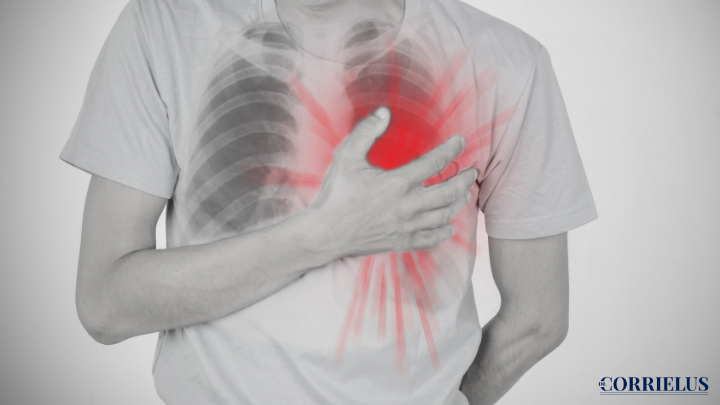
The heart is the engine of our body. It pumps blood, carries oxygen, and keeps us alive every second. But what happens when one of its tiny parts starts to break down? Aortic valve disease may sound scary, but with the right understanding, we can handle it better. This blog will help you understand what this condition is, what signs to look out for, and how it can be managed gently and safely.
What Is the Aortic Valve and Why Does It Matter?
Inside your heart, there is a small door called the aortic valve. This valve opens and closes every time your heart beats. It controls the blood flow from your heart to the rest of your body. When this valve gets damaged or doesn’t work properly, it can cause serious health problems. This condition is called aortic valve disease.
The Silent Trouble: Common Signs of Valve Disease
Many people don’t notice the early signs of valve disease. Sometimes, it feels like you’re just tired or out of breath more often than usual. You might feel chest pain, dizzy spells, or have swollen ankles. If these symptoms appear, it’s important to talk to a doctor. Early care can make a big difference.
A Close Look at Aortic Regurgitation
Aortic regurgitation happens when the valve doesn’t close all the way. This allows blood to leak backward into the heart instead of moving forward. There are different stages of aortic regurgitation, starting from mild and going to severe.
In the beginning, a person may have mild aortic regurgitation with little or no symptoms. But as the problem grows, the heart works harder and symptoms may appear, such as tiredness, chest discomfort, or trouble breathing. These are serious aortic regurgitation symptoms that need medical attention.
What Is a Calcified Aorta and Why Does It Matter?
As we age, calcium can build up in our arteries and heart valves. When this happens in the aorta, it’s called a calcified aorta. This makes the walls of the artery stiff and hard. It may lead to chest pain, shortness of breath, or even fainting. These are all calcified aorta symptoms that should not be ignored.
Doctors can help with calcified aorta treatment, which may include medicines, lifestyle changes, or surgery if needed. The goal is to help the blood flow easily and reduce pressure on the heart.
Understanding Aortic Calcification Symptoms
Just like the aorta can get stiff, so can the aortic valve itself. This is called aortic calcification. It usually happens over time and is more common in older people. Aortic calcification symptoms may include chest tightness, shortness of breath, or feeling very tired even with light activity.
If you notice aortic calcification symptoms, it’s important to talk to your doctor. Early treatment can stop the problem from getting worse and help you live more comfortably.
What Does It Mean to Have a Narrow Aorta?
Sometimes the aorta becomes narrow. This is known as narrowing of the aorta artery. When this happens, your heart has to work harder to push blood through the smaller space. It may cause high blood pressure, pain in your chest, or fainting.
This condition needs attention. It might be caused by birth defects or aging, and it can affect your entire heart system.
The Stenosis Problem: When the Valve Won’t Open Right
If your aortic valve doesn’t open fully, this is called stenosis. The stenosis medical term heart refers to a valve becoming too tight or stiff. It makes the heart work harder and can cause the heart muscle to weaken.
Symptoms include chest pain, fainting, and difficulty breathing, especially during exercise. Catching this early can help slow it down.
The Bicuspid Heart: A Different Starting Point
Some people are born with a different kind of valve called a bicuspid heart. This means the valve has only two flaps instead of three. It still works, but it’s more likely to wear out over time.
The bicuspid valve function may be fine at first, but it might become stiff or leaky later. This can lead to problems like bicuspid regurgitation, where the blood leaks backward. If you or a loved one has a bicuspid valve, regular heart check-ups are very important.
Managing Valve Issues With the Heart
Valve issues with the heart don’t always mean surgery. Some people only need medicine and lifestyle changes, especially in early stages. Eating healthy, walking daily, and avoiding smoking can really help your heart stay strong.
When needed, doctors can repair or replace the valve. New medical techniques allow this to be done with small cuts, so healing is faster.
A Message of Hope and Strength
Living with aortic valve disease can feel scary. But many people live full and happy lives with treatment. Knowing the symptoms and catching them early gives you more control. You are not alone, and help is available.
A word from the Doctor —
Aortic valve disease is serious, but it’s not the end. From aortic calcification symptoms to mild aortic regurgitation, each sign gives us a clue. Whether it’s calcified aorta symptoms, bicuspid regurgitation, or narrowing of the aorta artery, your body is trying to tell you something.
Listen to your heart. Talk to your doctor. And take steps today to protect your tomorrow.
Schedule a consultation with Dr. Sanul Corrielus right away if you have questions about your heart health!
FAQs
- What causes aortic valve disease?
It can be caused by aging, birth defects, or long-term high blood pressure. - Can mild aortic regurgitation become worse over time?
Yes, it can get worse without treatment, so regular check-ups are important. - Are there treatments for a calcified aorta?
Yes, calcified aorta treatment may include medicine, lifestyle changes, or surgery. - How can I tell if I have valve problems?
Look for signs like tiredness, chest pain, or shortness of breath. These may be signs of valve disease. - Is surgery always needed for aortic valve disease?
Not always. Many people manage it with medicine and healthy habits, especially in early stages.